
St. Margaret’s House
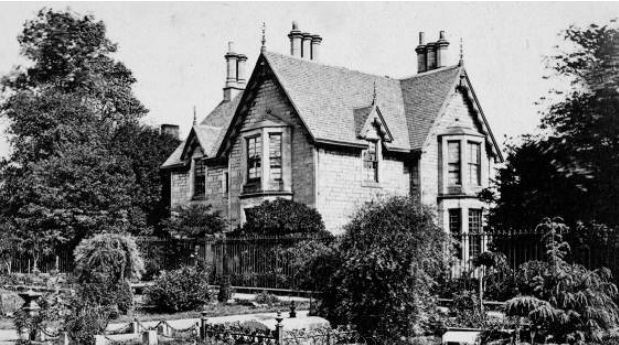
St Margaret’s House is a Victorian detached villa that was built sometime after 1841. Originally named ‘Abbey Gardens Cottage,’ it was designed by architect Thomas Bonnar for his client George Birrell, former Lord Provost of Dunfermline. The property remained in domestic use until 1966, when it was purchased by Fife Council and adapted as office space. Today, the building is empty and inaccessible to the public, and Fife Council has sought FHBT’s help to explore options for its future.
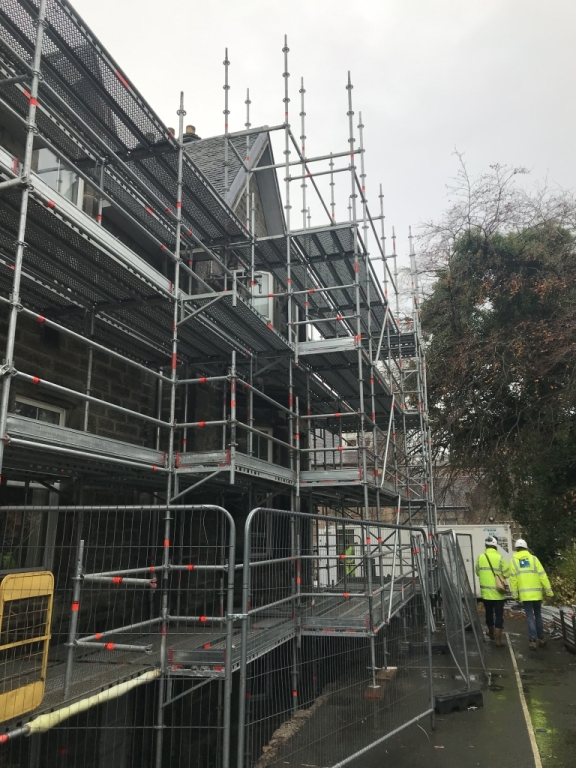
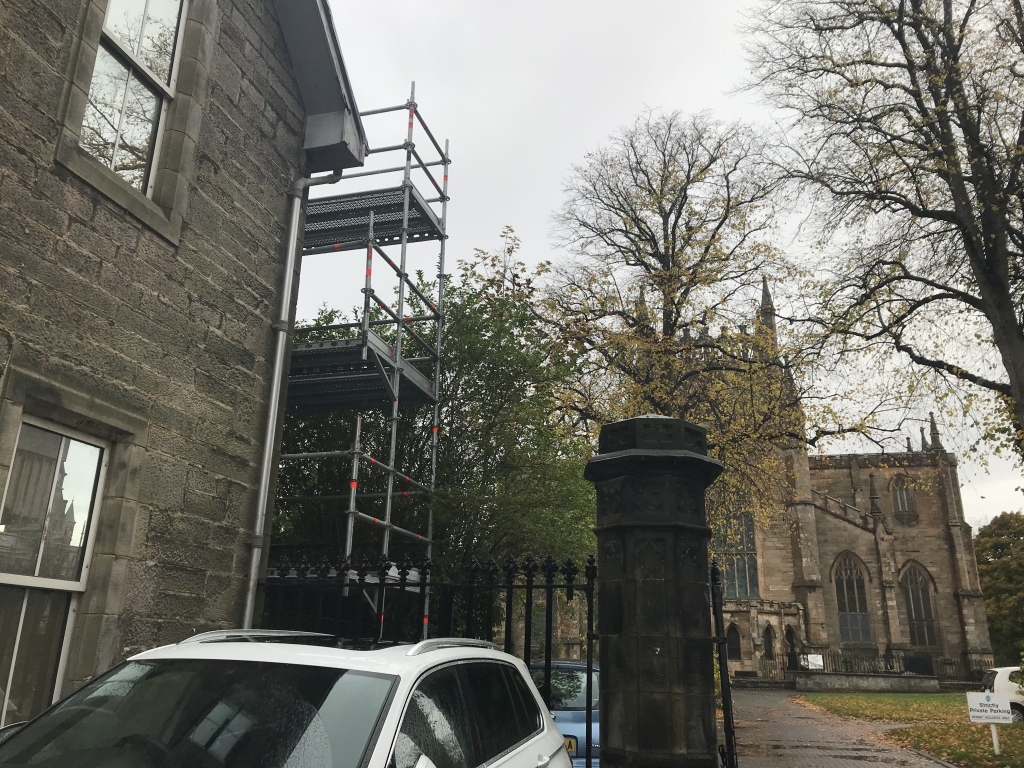
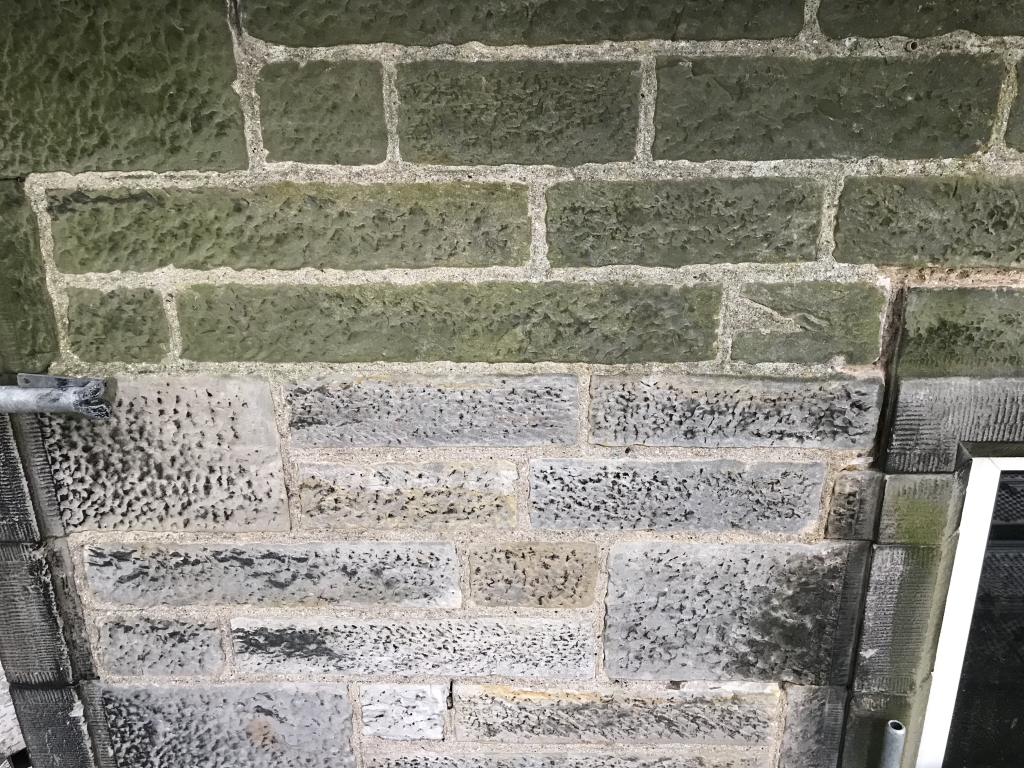
In 2023, FHBT led on the first phase of works to St Margaret’s House, delivering a programme of external repairs to the building to ensure that it is secure, wind and watertight, and ready for a new future use.
Now, following the completion of an AHF-funded viability appraisal, Fife Council has set out its preferred option to convert St Margaret’s House into a mixed-use heritage and visitor welcome centre at the heart of the Abbey Precinct. This use will complement existing heritage visitor attractions, including the Abbey itself, Abbot House, and the Carnegie Birthplace Museum.
An AHF Project Development Grant will enable FHBT to commission a comprehensive business plan; undertake discussions with city and Heritage Quarter partners about the story that the heritage centre is going to tell and decide the focus of its interpretation; appoint a conservation-accredited design team to develop the necessary building adaptations; and issue briefs and assess proposals for these pieces of specialist work.
Gardener’s Cottage – 1 Monastery Street
This detached, three-storey cottage served as a home for the Head Gardener of Pittencrieff Estate from its construction in approximately 1875 right up until 2025, when the retired Head Gardener moved out. The property is important to the community as it forms part of the Pittencrieff Estate, given to the people of Dunfermline in 1903 by Andrew Carnegie, and is in close proximity to the historic ruins of Dunfermline Abbey and the nearby C-listed War Memorials. Currently unoccupied, the building is in danger of falling into significant disrepair.
With the expansion of Dunfermline’s visitor economy, there is an increased demand for holiday accommodation in the city. To address this need, FHBT is proposing to assist the Carnegie Dunfermline Trust to sensitively repurpose the Gardener’s Cottage and its large one-acre garden as holiday accommodation. There is also the potential to install eco-pods to the rear of the property to increase the accessibility of the site and appeal to walkers of the Fife Pilgrim Way. Any future income generated from letting the cottage would be invested back into Pittencrieff Park to secure its long-term sustainability.
An AHF Project Viability Grant will fund a feasibility study to assess the most appropriate way to convert the cottage and associated land.
Dunfermline Abbey Church Hall
Constructed in late medieval Anglo-French style, the Abbey Church Hall was provided by the estate of William McLaren, a prominent local retailer, around 1900. Originally gifted to the congregation for the principal purpose of the religious education of young people, it has been in use ever since and currently supports a range of congregational and community activities. Despite this, the building is currently underutilised and is considered unaffordable in the long term. Dunfermline Abbey Church and Fife Council are keen to see it developed for a sustainable new use that complements existing activity, especially within the Heritage Quarter.
FHBT is currently considering options for converting the Church Hall into affordable visitor accommodation. The Fife Pilgrim Way has raised demand for low cost accommodation in the area, however there are currently no bunkhouse options available in the centre of Dunfermline.
An AHF Project Viability Grant will fund a feasibility study to investigate options for the building’s conversion into visitor accommodation and explore economic viability. The completed appraisal will include a roadmap for next steps, including an understanding of next stage survey work and potential funding sources for delivery.
FHBT, in partnership with Fife Council, have been awarded funding from Historic Environment Scotland to bring a City Heritage scheme to Dunfermline. Following the 2022 granting of modern city status as part of Queen Elizabeth II’s Platinum Jubilee celebrations, this will bring Dunfermline into line with other Scottish cities, where City Heritage Trusts (CHTs) have long been established to champion the historic environment.
City Heritage Trusts were established in 2004 by Historic Scotland (now Historic Environment Scotland) in partnership with local authorities in Stirling, Aberdeen, Dundee, and Inverness. The existing Edinburgh World Heritage Trust had been recommended as the model for new trusts for each of the other Scottish cities in the Scottish Government’s Cities Review, in 2000. Glasgow followed in 2007 and the Perth City Heritage Fund (PCHF) in 2012 following the restoration of city status; the latter managed by Perth and Kinross Heritage Trust.
All are unique and independent of each other but linked with the common goal of protecting and enhancing Scotland’s heritage. All have charitable status and focus on dispersing grants, education and outreach. They are an invaluable source of local information and advice for owners of traditional buildings and help to inspire young people to take up a career in heritage. Over their 20-year span, they have also helped to train and bring on many early career professionals who have then had successful careers within the historic environment.
The typical work of a City Heritage scheme echoes the activity that FHBT have delivered over many years via projects and place-based schemes across Fife. In collaboration with Fife Council, we welcome the opportunity to establish a City Heritage scheme in Dunfermline to support the conservation and development of Dunfermline’s historic environment and deliver its city ambitions.
Dunfermline CARS (2007 – 2012)
The Trust was responsible on behalf of Fife Council for mentoring the delivery of the Historic Scotland funded CARS project in Dunfermline Town Centre. This £2.8m Fife Council scheme achieved:
- Major grant awards to four priority buildings – inc. support for the landmark re-harling of Pittencrieff House Museum.
- 10 shop front grants to historic retail premises – targeting key blight buildings in the High Street and celebrating Dunfermline’s retail heritage.
- 15 small building repair grants to private building owners
- Support for two masonry apprentices
- Major improvement works to closes and wynds, enhancing this key feature of the Dunfermline Conservation Area.
- Development of guidance notes for public and professionals, backed up by training and awareness-raising activities – inc. demonstrations of traditional skills from the Scottish Lime Centre Trust at the annual Dunfermline Bruce Festival.
- Buildings Scotland exhibition at Dunfermline Carnegie Library





Projects
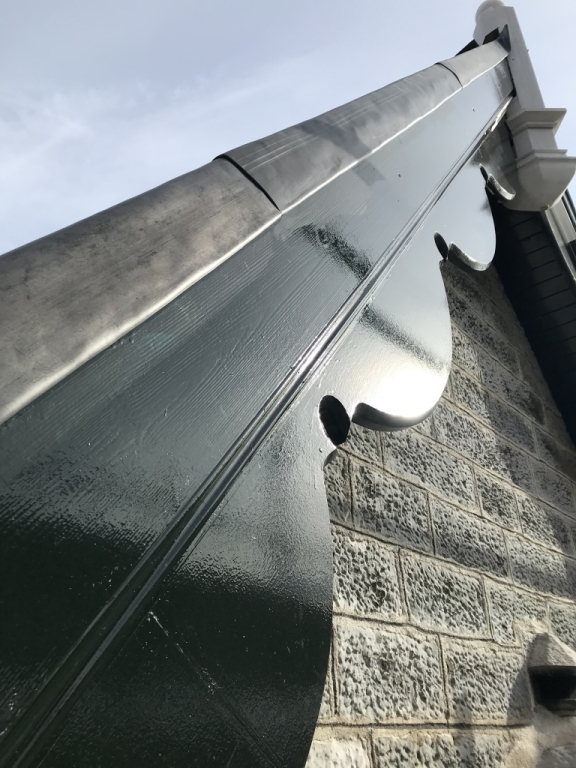
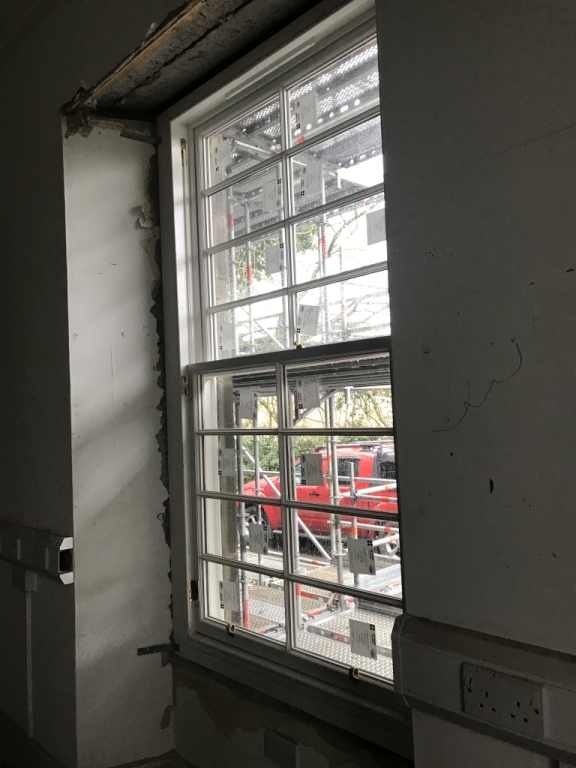
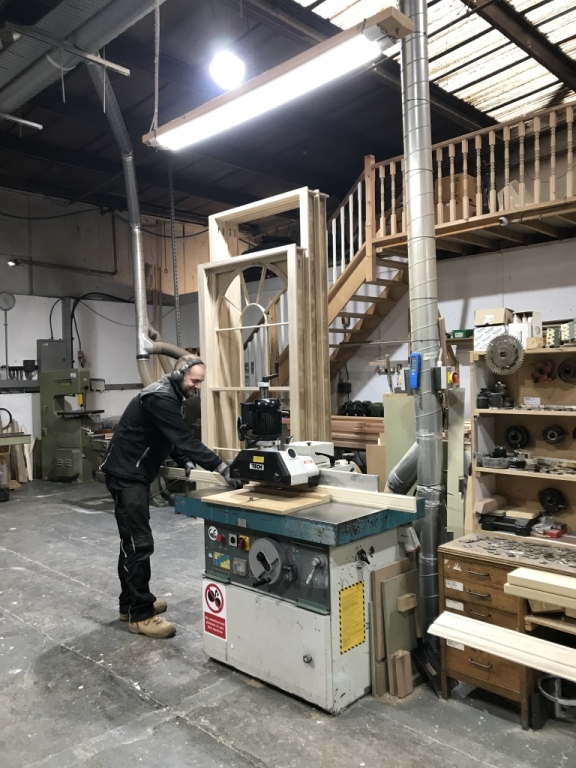
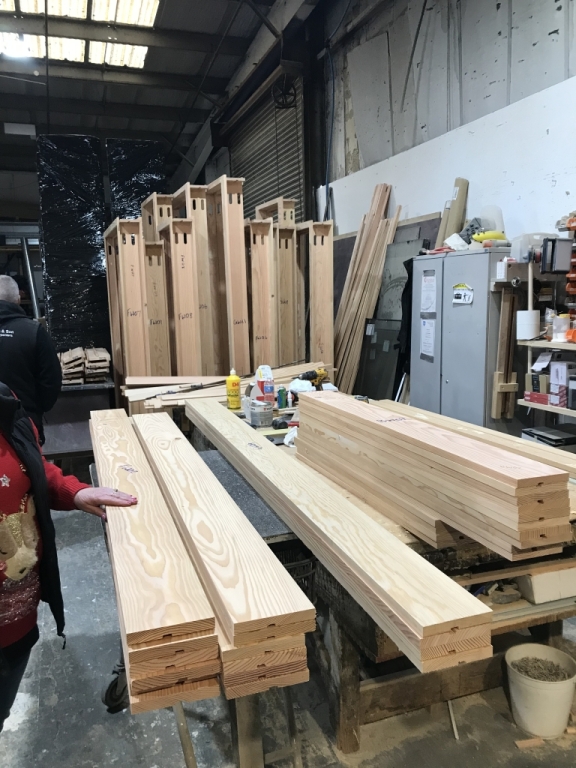
We manage projects to conserve historic buildings at risk, ensuring that they have a renewed practical purpose, long term caring owners and a viable future. To find out more about our past, present and future projects throughout Fife click below.

Holiday Lets
We have converted and now operate three holiday apartments in Fife: Kinghorn Town Hall, John McDouall Stuart View in Dysart, and Cupar Burgh Chambers. For more information and to book, click below or contact us
Find out about our latest news here.


