Window Repair
Published 19th January 2023
The climate crisis and rising energy prices are a concern for everyone, and improving the energy efficiency of your property is more important than ever. Many people think that older traditional buildings are hard to heat, but this doesn’t need to be the case.
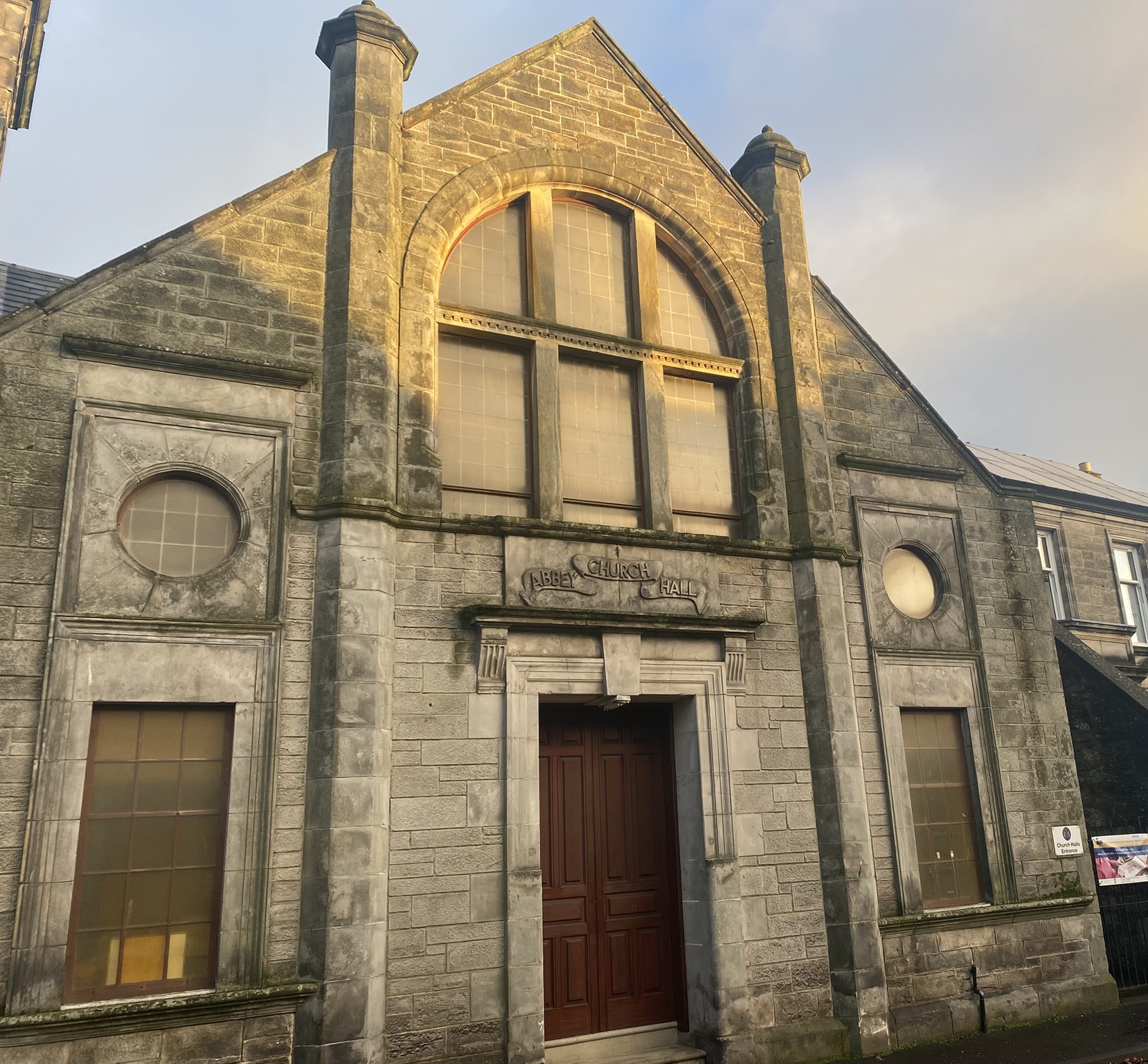
A traditional building is one that was built before 1919, using natural materials like solid masonry walls (not cavity walls), timber windows, and slate or pantiles (fired clay tiles) on the roof.
As a first step, it is important to keep all buildings dry and well-maintained, as a damp building feels colder than a dry building. For traditional buildings it is also important to use the right materials and techniques for repairs, as some modern materials can make problems worse. For example, cement mortar can create damp problems and damage stone, so a traditional lime mortar should be used instead.
People often think that old timber sash and case windows should be replaced with new double-glazed windows, either in timber or uPVC plastic, in order to improve energy efficiency. However, existing windows can usually be upgraded for less money to give the same benefits, while retaining the original features and style that give character to the building. This is a more sustainable option too.
Old sash windows were often made with high quality timber that is difficult to source today, so even if the windows look as if they are beyond repair this may not be the case. A competent joiner will be able to replace rotten sections of wood, make sure the windows open and close smoothly, fit draughtproofing, and check that existing shutters are working correctly. Upgrades can include adding secondary glazing, or slim double-glazing units fitted into the existing sashes.
Historic Environment Scotland is a good starting point for more advice about how to make your older home more energy efficient: you can read their blog or watch their Inform Friday video.